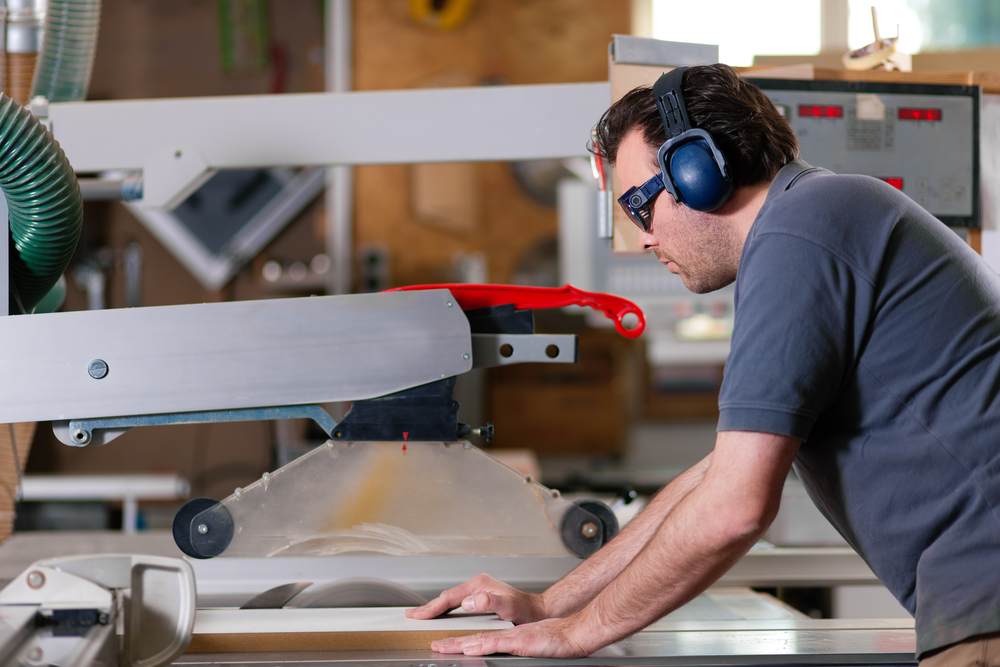
Spending a lengthy time in loud noise can drastically impact your hearing, especially when sound volume is above safe limits. Ear protection is fundamental for both the avoidance of hearing damage and for preserving concentration in loud settings. Therefore, what steps should you implement to choose the ideal hearing protection level matched to your situation?
Gaining understanding into sound volume and its consequences
The impacts of noise exposure aren’t just about loudness but also the length of exposure. We use dB—a unit that quantifies sound volume—as the primary metric for comprehending noise levels. Hearing damage can initiate when sound volume hits 85 dB or more, especially after extended exposure.
Consider that 85 dB is similar to the volume of city traffic noise heard while sitting in a car. While this may not seem too loud, non-stop exposure for eight hours can start to damage your hearing. The safe time of exposure becomes brief when the sound is louder:
- A sound level of 90 dB (e.g., a Lawnmower) can cause damage after 4 hours of exposure.
- 100 dB (Power tools): Limit exposure to 1 hour or less.
- Damage is possible after only 15 minutes at the 110 dB level (Leaf blower).
- Exposure to 120 dB (a Rock concert) will damage your hearing instantly.
- Immediate pain and damage are possible at 140 dB (Jet engine).
Pinpointing noise levels that are risky
You must wear hearing protection when frequently exposed to 85 dB or louder levels. This is chiefly true in workplaces like construction sites, factories, or any setting where machinery, tools, or gear produce high noise.
Hearing protection is also valuable outside of the workplace; pursuits like attending music shows, operating leaf blowers, or participating in shooting sports can subject you to hazardous sound levels.
The importance of Noise Reduction Ratings (the NRR) in choosing
The Noise Reduction Rating (the NRR) is the primary metric employed to measure how well hearing protection performs. Stated in dB, this figure tells you the level of sound reduction the protective unit is capable of blocking. More substantial protection is shown by a higher NRR number. For illustration, earplugs with an NRR of 30 dB can decrease an 85 dB noise level to 55 dB, keeping you well within safe exposure bounds.
In selecting protection, you must assess the exact noise levels you face and verify your chosen protector reduces the sound sufficiently to remain under 85 dB.
Comfort is important: the basis to uninterrupted protection
The NRR is clearly significant, but comfort is a similarly significant component in achieving continuous, long-term use. An ill-fitting or cumbersome protective device increases the inclination to remove it, which exposes your ears to hazardous noise.
Choosing comfortable hearing protection results in steady wear, thus decreasing the threat that you will be exposed to noise intermittently. If, for instance, earmuffs feel ill-fitting or are too heavy, you are likely to take them off occasionally, resulting in hazardous noise exposure.
A look at the different forms of hearing protection
A range of hearing protection devices are available, all with their own set of advantages and drawbacks:
- Offering superior noise reduction, Foam Earplugs are placed inside the ear canal. While they are lightweight and disposable, some wearers may experience discomfort.
- Pre-Molded Earplugs: These rest just outside the ear canal and are reusable, making them a more sustainable option. They’re easier to insert and remove compared to foam earplugs.
- Earmuffs, which cover the entire ear, are well-suited for environments with changing noise levels due to how easy they are to take on and off, but they can be heavy or hot during prolonged use.
Choosing the best type is dictated by your comfort and the requirements of your setting. An instance is construction workers favoring earmuffs for their simple convenience, while factory workers may opt for earplugs for a continuous period of wear.
Ensuring consistent use
To ensure maximum performance, you must select the hearing protection you will wear all the time. Removing the protection for even a short time of minutes can result in permanent harm to your hearing. Therefore, it is vital to find a product that provides the perfect balance of protection, comfort, and convenience.
Taking steps for lasting hearing protection
While noise is ever present in our daily lives, using the correct hearing protection allows you to shield your ears and still enjoy the sounds of the world.
Reach out to us right now to review your potential for noise-related hearing loss and how to best protect your hearing health.