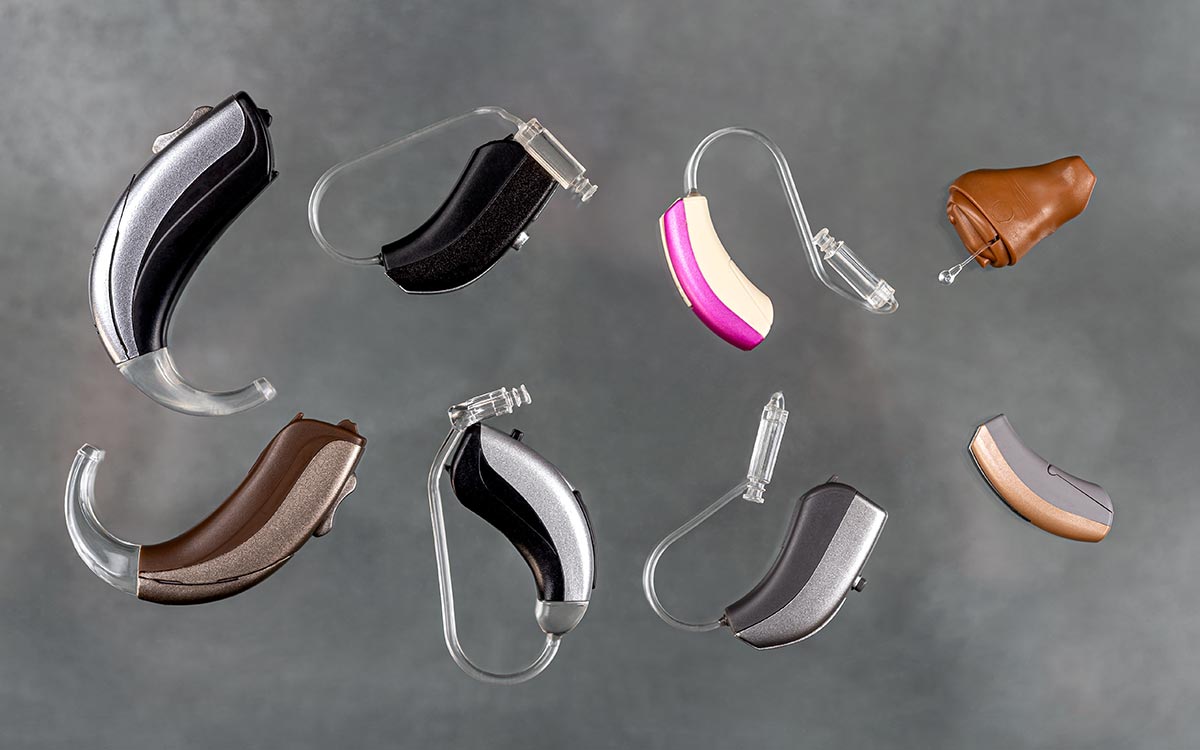
With so many choices in terms of size, style, and technology, the process of picking a hearing aid can feel quite intense. But regardless of your needs, there’s a hearing solution for every lifestyle, preference, and degree of hearing loss. The key is simply identifying the one that fits you best.
Understanding the distinctions among the most common types of hearing aids can help you feel more informed and confident as you explore your options. In this analysis, we look at current styles and the unique characteristics that define them.
ITC (In-the-Canal) Hearing Systems
The Definition:
These hearing aids are placed partly inside the canal, making them visible only slightly from the outside.
Why users select them:
- Highly discreet than larger models
- Individualized shaping guarantees long-term wearing comfort
- A useful choice for those with moderate hearing needs
Because they offer both discretion and useful features, ITC models are a top pick for those new to hearing technology.
Exploring IIC (Invisible-in-Canal) Choices
Core Traits:
These are the smallest custom-made units on the market today. They are inserted deep within the canal to remain hidden from view.
Why they are popular:
- Highest level of invisibility for the wearer
- Microphone depth helps mimic the ear’s natural sound collection
- So light and small that users frequently forget they are wearing them
IIC devices are primarily targeted at patients with moderate hearing needs who want their technology to remain completely unnoticed.
Understanding In-the-Ear (ITE) Units
The Basics:
ITE hearing aids fill either the entire outer ear (full-shell) or the lower portion (half-shell). They are custom-made to fit the shape of your ear.
The Advantages:
- The increased surface space provides space for extra functionality and extended power
- The physical size is easier to grip and adjust for users with fine motor concerns
- An adaptable choice that can address even significant levels of hearing loss
The all-in-one style of the ITE design makes it a favorite for those who dislike behind-the-ear equipment.
BTE (Behind-the-Ear) Basics
Functionality:
Positioned firmly on the back of the ear, BTE models sit on the outer ridge. These models use an individualized earmold or tubing to funnel sound inside.
Key Advantages:
- Highly versatile and durable
- Provides a wide selection of amplification suitable for nearly any user
- Big enough to include sophisticated software and modern rechargeable technology
For those who value a reliable device that is easy to manage and provides plenty of volume, BTE is an excellent choice.
Receiver-in-Canal (RIC) Hearing Aids
Component Structure:
While they resemble BTE units, RIC aids place the speaker directly in the canal for better sound delivery.
Market Appeal:
- Known for producing some of the most realistic audio in the industry
- The ultra-thin design is equally light and nearly effortless to wear
- RIC technology is highly flexible for various different audiogram profiles.
RIC units are extremely popular currently because they balance appearance with powerful functionality.
Extended-Wear Hearing Aids
Usage Summary:
These unique aids are designed to stay in the ear canal for a month or more, managed by your hearing specialist.
Why individuals select them:
- Provides an effortless experience with no daily maintenance required
- Nearly invisible
- You can go about your whole life—including sports and rest—while wearing them
These models are the ultimate choice for an effortless, seamless hearing experience.
Connected Hearing Systems
Operation:
Auditory aids with wireless connectivity that pair with smartphones, tablets, computers, and sometimes TVs.
Why go cordless:
- Turn your hearing aids into cordless headphones for all your favorite audio
- Modify settings through a mobile tool
- Enhances everyday life by making technology interaction seamless and clear
Most contemporary RIC, BTE, and ITC hearing aids currently provide an advanced version.
Alternative Implantable Solutions
Design Overview:
This technology involves a surgical procedure to place a device that physically stimulates the bones of the middle ear.
Who they are serving:
- Serves as a critical alternative for those who find no success with traditional amplification
- Comfortable alternative for chronic ear issues related to traditional devices
Middle-ear implants are usually recommended only after a full evaluation by a hearing specialist.
Your Path to Better Sound
Every hearing aid style provides its own advantages, and the right option depends on your level of hearing loss, comfort preferences, lifestyle, and cosmetic considerations. By consulting an expert, you can explore various models and see which one feels most natural to you.
If you’re ready to explore the possibilities, schedule a hearing evaluation today. This simple step is the foundation for improved hearing and better connections with those around you.
Sources:
https://www.mayoclinic.org/diseases-conditions/hearing-loss/in-depth/hearing-aids/art-
20044116
https://www.hearinglife.com/hearing-aids/types
https://www.nidcd.nih.gov/health/hearing-aids