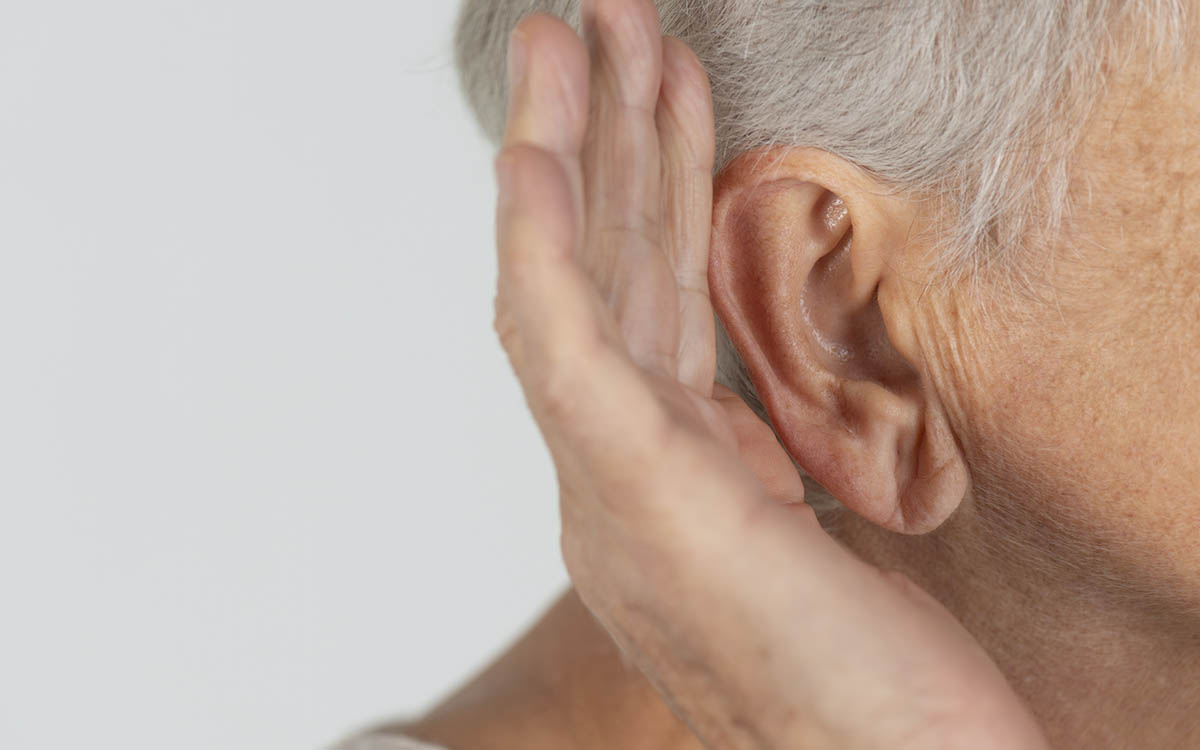
Public perception frequently ties hearing loss with advancing age, but for millions of Americans, hearing damage begins much sooner. Noise-induced hearing loss is one of the most common and preventable forms of damage to our hearing, remaining undetected until the damage is irreversible.
Comprehensive knowledge of how chronic noise exposure affects the ears is essential for implementing safeguards before major hearing loss develops.
Establishing the Nature of Acoustic Injury
Noise-induced hearing loss is characterized by the degradation of intricate inner ear components. According to the Centers for Disease Control and Prevention, sounds above 85 decibels (roughly the volume of heavy traffic) can begin to cause hearing damage with repeated or prolonged exposure. Intense noise sources, specifically firearms or industrial tools, can compromise hearing integrity within a very brief timeframe.
Within the cochlea are specialized sensory structures referred to as hair cells. These receptors facilitate the conversion of acoustic vibrations into electrical signals decoded by the brain. Following injury, these hair cells lack the biological capacity to regenerate, which renders noise-related hearing loss an irreversible condition.
Analyzing the Accumulation of Sound-Related Trauma
The insidious nature of noise-induced hearing loss is highlighted by its gradual developmental timeline. Early-stage symptoms resulting from noise exposure often include:
- Transient auditory sensations such as ringing or buzzing (Tinnitus)
- Post-exposure auditory dullness or perceived muffling of sound
- Difficulty understanding speech in noisy environments
Initial symptoms may subside, frequently resulting in the incorrect assumption that hearing function has returned to baseline. Despite the lack of symptoms, persistent noise exposure causes cumulative injury to the ear, slowly reducing hearing clarity and sensitivity over time.
Statistics from the HLAA suggest that 48 million Americans have some form of hearing loss, often without recognizing the contributing factors.
Identifying Daily Sound Hazards Impacting Hearing
In our modern environment, individuals often develop a tolerance or desensitization to high-volume sounds. As a result, many individuals remain unaware of the clinical prevalence of damaging noise exposure.
Identified hazardous sources may include:
- Professional music performances and concert environments
- The use of headphones at unsafe volume settings
- Motorized landscaping equipment, power machinery, and vehicles
- Occupational noise exposure within the construction or manufacturing sectors
Since these noises are integrated into daily routines, cumulative damage often occurs without immediate clinical indicators.
Why Auditory Prophylaxis Remain a Critical Priority
Noise-induced hearing loss is physiologically irreversible, unlike many other health impairments. The condition is, however, susceptible to effective preventative strategies. Simple protective habits can significantly reduce risk, including:
- The application of earplugs or attenuation earmuffs in loud areas
- Lowering headphone volume and following the “60/60 rule”
- Implementing quiet intervals to permit the auditory system to rest
- Arranging for routine Audiology assessments if noise exposure is frequent
When to Schedule Clinical Audiology Services
If you notice persistent ear ringing, difficulty following conversations, or changes in hearing clarity, you should seek evaluation from a hearing professional. Prompt clinical evaluation is vital for tracking auditory status and formulating effective hearing preservation plans.
Prioritizing auditory health now ensures the preservation of hearing clarity for the future. Exposure to noise is frequent, yet hearing loss can be successfully avoided through proper care. Contact us to coordinate a comprehensive evaluation and ensure your auditory system is functioning at its peak.