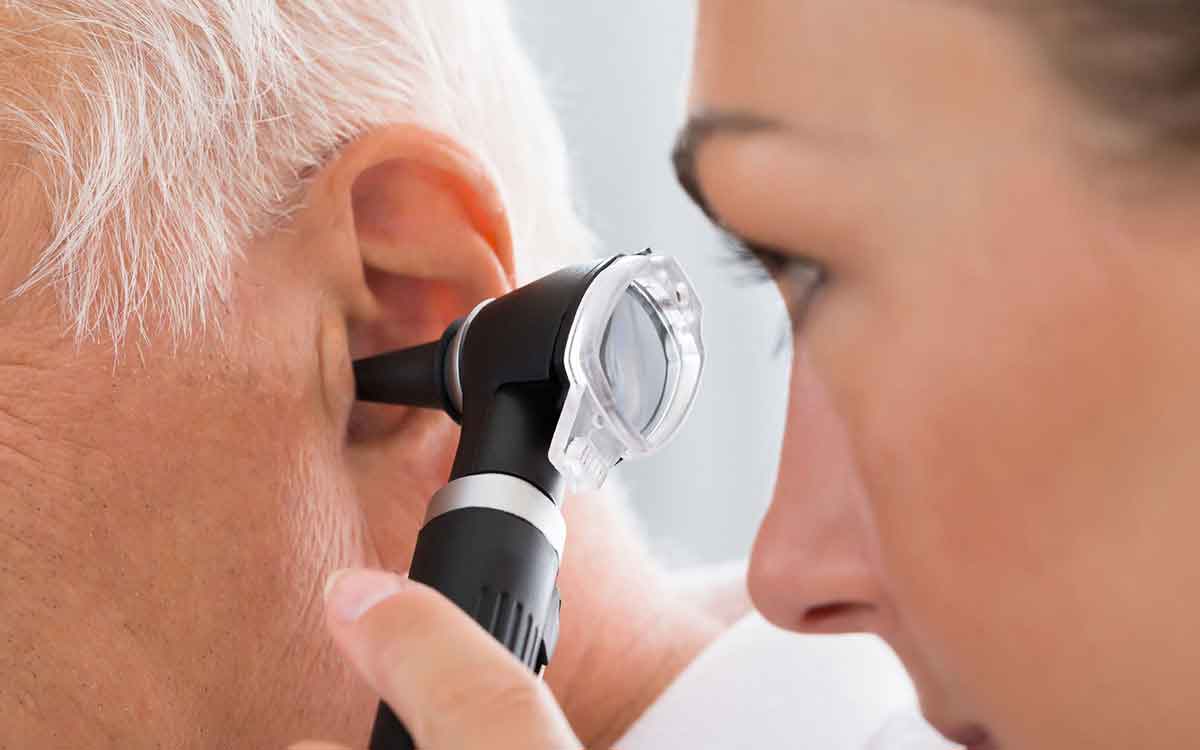
Because hearing loss typically advances slowly, early signs frequently go unrecognized by the individual. Subconscious adjustments, such as turning up the television or requesting verbal repeats, often mask the early progression of hearing loss.
Arranging an initial screening can help preserve hearing, improve communication, and safeguard overall quality of life.
Frequent Indicators of Initial Auditory Decline
If you experience any of the listed clinical signs, it is recommended to undergo an audiological screening.
- Difficulty comprehending speech, particularly in noisy environments with significant background noise.
- Frequently asking people to repeat themselves.
- Muffled or unclear speech, where words sound blended together.
- Turning up the volume on the television and mobile devices higher than others prefer.
- Decreased perception of high-frequency acoustic signals such as bird songs or household alerts.
- Persistent ear ringing or humming associated with tinnitus.
- Cerebral exhaustion after social events caused by straining to follow speech.
- Withdrawing from social situations as conversations feel overwhelming.
Preliminary indicators of auditory decline may appear in unilateral or bilateral patterns and vary in frequency initially. As a result of the brain’s ability to adjust, many individuals stay oblivious of their compensatory habits until the impairment advances.
Auditory Health: Current Statistics and Projections
The World Health Organization estimates that hearing rehabilitation requirements will impact 700 million people by 2050. Other noteworthy statistics include:
- By 2050, approximately 2.5 billion people are expected to have some degree of hearing loss.
- Over 5% of the world’s population (430 million people) necessitates support to address disabling hearing loss.
- More than 1 billion younger individuals are at risk of avoidable hearing loss due to unsafe listening practices.
- Among those over the age of sixty, over 25% suffer from clinically significant hearing loss.
Why Timely Auditory Assessment Matters
Overlooking auditory shifts may lead to systemic health consequences that are frequently overlooked.
Data confirms a connection between untreated hearing loss and an increased likelihood of cognitive decline and diminished balance.
Managing symptoms early facilitates a broader range of interventions and better long-term outcomes.
An evaluation distinguishes between age-related decline, earwax blockage, or underlying infections.
Occasionally, auditory changes are temporary and can be effectively addressed.
In others, timely adoption of hearing aid technology or preventative measures may mitigate further decline.
When to See a Hearing Specialist
An audiological visit is recommended if you experience:
- Auditory indicators persist for more than a brief period.
- Hearing difficulties impact occupational performance and social life.
- Instances of sudden decline, dizziness, or chronic tinnitus warrant urgent evaluation.
Audiological evaluations are noninvasive procedures, offering essential information into your physiological hearing status.
We invite you to contact our facility if you believe a hearing assessment is necessary.
FAQ: Early Signs of Hearing Loss
Q: Are all auditory changes linked to getting older?
Answer: No. While common in seniors, hearing impairment can be caused by medications, loud noise, infections, or hereditary conditions.
Q: Can auditory impairment be clinically reversed?
Answer: Specific causes, including earwax blockage, may be susceptible to reversal through treatment. However, permanent types of hearing loss are often successfully managed with hearing aid technology or therapeutic strategies.
Question: How frequently should an individual undergo a hearing test?
A: A baseline screening is advised by age 50, or sooner if clinical symptoms manifest.