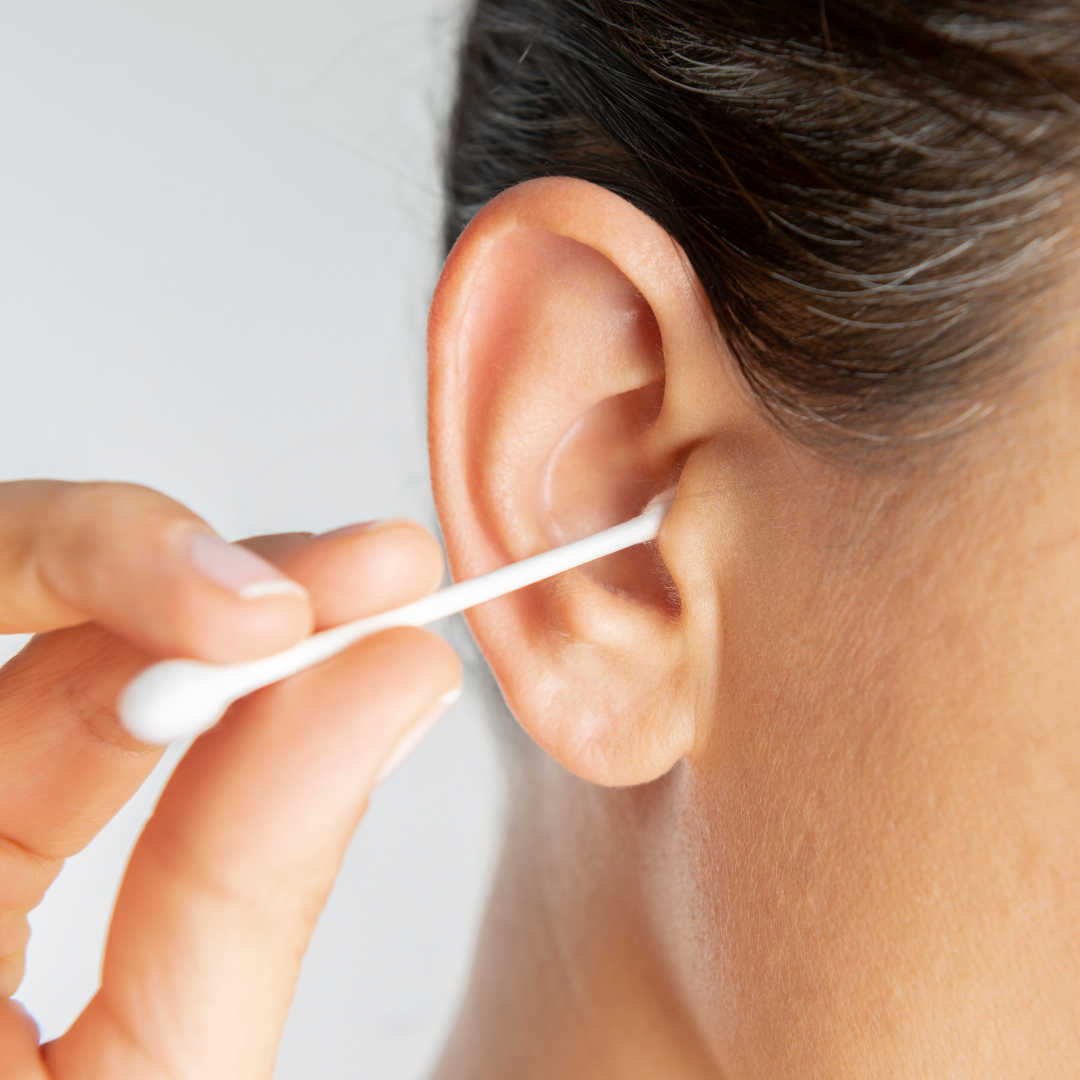
Cotton swabs may seem like convenient ear-cleaning tools, but inserting one into the ear canal can make cleaning harder over time and may damage your ears. We assess whether your earwax demands professional intervention and provide customized care strategies that match your clinical profile. Healthy ears rarely require aggressive manual intervention; nevertheless, when blockage develops, we assist patients in safely extracting excess cerumen.
Why Are Q-Tips Bad for Your Ears?
In audiology, earwax (cerumen) is recognized as a vital protective substance rather than dirt. It traps dust and debris, helps limit bacterial growth, lubricates the ear canal, and protects its sensitive skin. Normal jaw articulation and progressive skin turnover transport old cerumen toward the external ear opening, where it naturally detaches.
Using a cotton swab within the ear canal halts this physiological self-cleaning function. Even though the applicator collects minor residue, it typically drives the bulk of cerumen directly toward the delicate eardrum. Repeated use can pack wax into a firm blockage and create the plugged sensation that encourages even more cleaning.
Although swabs can sanitize the outer folds of the auricle, they should never penetrate the delicate ear canal.
Clinical Complications Associated with Q-Tip Insertion
The epidermal tissue coating the ear canal is thin and tears under minimal friction. Small abrasions can cause pain or bleeding and create an opening for bacteria, increasing the risk of an outer-ear infection. There is also a risk that the cotton tip will detach and become stuck deep inside the auditory canal.
Possible injuries include:
- Cerumen driven into deep obstructive impactions
- Canal abrasions, dermal irritation, edema, and hemorrhage
- Acute otitis externa or canal infection
- A cotton tip or other material trapped in the ear
- Traumatic puncture or laceration of the eardrum
- Mechanical trauma to the middle-ear ossicles behind the eardrum
- Acute hearing loss of a temporary or permanent nature
- Ringing in the ears, balance disruption, or sharp ear pain
Though critical trauma is uncommon, an unexpected collision, a sudden slip, or overzealous penetration can cause extensive ear injury.
How Frequently Should You Remove Earwax?
For the average individual, scheduled cerumen removal is completely unnecessary. Normal anatomical mechanisms steadily push cerumen toward the exterior, where regular washing rinses the visible concha. Overcleaning can dry or irritate the canal and may increase the likelihood of infection or impaction.
Cerumen removal is indicated when buildup obstructs the canal, hinders tympanic membrane visualization, degrades hearing aid performance, or generates symptoms.
Safe Home Strategies for Managing Earwax
If your earwax produces no noticeable complaints, leaving it alone is typically the safest protocol. Use a damp, soft cloth to clean only the exterior ear structures, allowing the inner canal to maintain itself.
Should cerumen require breakdown, our team may recommend commercial cerumen-removal drops or formulas featuring saline, mineral oil, glycerin, or carbamide peroxide. Apply only the specified dosage and never exceed the designated application duration outlined on the label. Discontinue the product right away if you encounter otalgia, severe dizziness, contact dermatitis, or aggravating symptoms.
Home flushing is contraindicated in many cases and should solely be conducted after an expert confirms safety and reviews proper methods. Never use a dental water jet. Refrain from using ear candles, rigid metal picks, DIY camera probes, hairpins, or commercial home suction kits. Such unregulated implements can cause thermal burns, canal lacerations, eardrum perforations, or deeper cerumen impactions.
Indications for Scheduling a Professional Ear Cleaning
Set up an audiological evaluation whenever your ear stays plugged after softening care, wax is firmly impacted, or home efforts fail repeatedly. Seeking professional care is essential if a patient cannot stay still, exhibits narrow canal anatomy, wears hearing aids, or possesses medical risks that rule out drops or flushing.
You should seek professional assessment for:
- Severe ear pain, intractable itching, or outer ear tenderness
- Blood, cloudy purulence, clear fluid leaks, or foul-smelling ear discharge
- Fever or swelling around the ear
- Sudden-onset tinnitus or vestibular dizziness
- Hearing loss that starts abruptly or fails to resolve following wax removal
- Any concern of a ruptured eardrum or detached cotton swab tip
- Persistent impactions interfering with hearing aid operation
Treat sudden hearing loss in one ear as a medical emergency rather than assuming it’s wax. Timely clinical evaluation distinguishes benign wax blockages from urgent inner ear pathologies requiring rapid steroid therapy.
How Can a Doctor Remove Excess Earwax?
We always inspect the canal directly using an illuminated otoscope or surgical microscope to confirm cerumen buildup and evaluate for inflammation, injury, or eardrum ruptures. Determining the safest intervention hinges on cerumen density, specific canal contours, past surgical interventions, and the patient’s procedural comfort.
In-office clinical procedures include:
- In-office or pre-visit cerumen-softening drop applications
- Safe low-pressure irrigation using body-temperature solutions on intact tympanic membranes
- Gentle micro-suction performed under clear binocular visualization
- Precision manual debridement using sterile ear curettes, loops, or specialized forceps
Continuous visual monitoring enables the practitioner to navigate around sensitive epithelial tissue and pause immediately if discomfort arises. You may need more than one method for dry or tightly packed wax. Following the procedure, the ear is re-evaluated to guarantee that both the canal passage and eardrum are clear and healthy. When symptoms like fullness, tinnitus, vertigo, or hearing loss continue, supplementary audiological assessments can uncover alternate conditions.
Contact Us for Safe Professional Earwax Removal
If you notice a blocked sensation or changes in auditory clarity, contact us for an evaluation rather than inserting a Q-Tip. Your clinical visit will cover a comprehensive review of symptoms, otologic surgical history, hearing aid utilization, home care efforts, and metabolic contributors to wax buildup. Contact us to request an earwax-removal appointment.