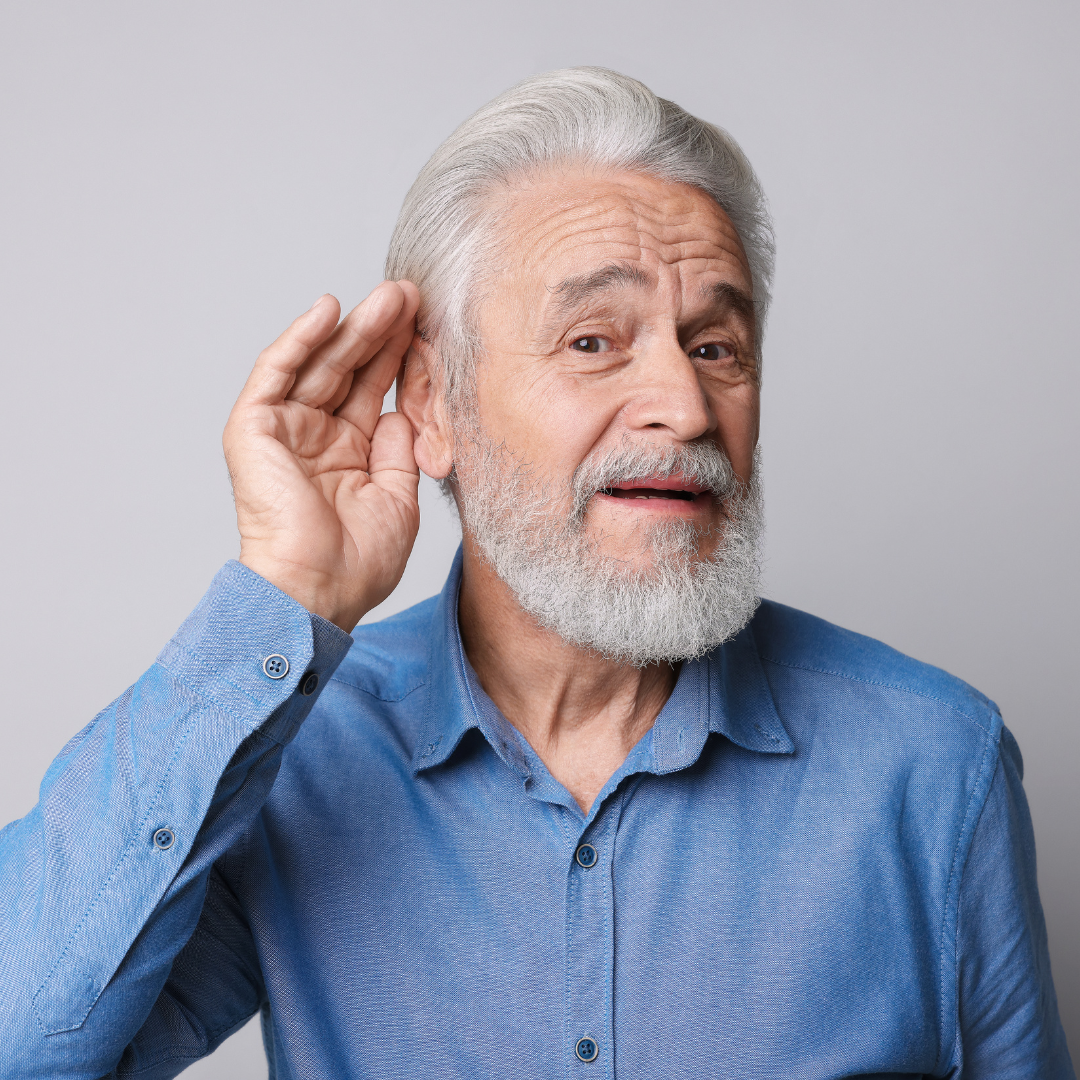
A sudden drop in hearing in one ear can be frightening and may leave those experiencing it unsure of their next steps. Our clinical specialists offer urgent hearing evaluations and facilitate rapid medical care when sudden unilateral hearing loss arises. Any sudden hearing loss requires urgent clinical consultation with a hearing healthcare specialist to pursue immediate medical intervention or rehabilitation.
Why Sudden Unilateral Hearing Loss Is a Clinical Emergency
Yes, unequivocally. A sudden hearing loss affecting one ear must be addressed as a true medical emergency, especially if it unfolds across hours or several days. Known medically as sudden sensorineural hearing loss or sudden deafness, this emergency involves the sensory labyrinth or central auditory neural pathways. Because it rarely causes localized otalgia, individuals frequently misinterpret the sudden loss as middle-ear congestion or a cerumen plug.
Typical warning signs include:
- A sudden decline in unilateral sound perception or vocal intelligibility
- Noticing that phone conversations sound faint, muffled, or absent on one side
- A noticeable pop or sudden sensation of aural pressure just before hearing drops
- The abrupt emergence of ringing, static buzzing, or roaring tinnitus on the affected side
- Dizziness, imbalance, or a spinning sensation
Do not wait for hearing to restore on its own. Seek same-day diagnostic guidance from our practice, an urgent care physician, or an otolaryngology specialist.
The Urgency of Immediate Professional Evaluation for Sudden Deafness
Timely clinical evaluation is critical because therapeutic interventions for sudden sensorineural hearing loss demonstrate the highest success rates when started early. We must immediately determine if the loss is conductive—stemming from earwax blockage or middle-ear pathology—or sensorineural, signifying inner ear or neural involvement. Even though conductive blockages and neural losses present with similar symptoms, they demand radically distinct medical protocols.
Direct otoscopic visualization and a comprehensive diagnostic hearing test precisely establish the underlying type, audiometric configuration, and severity of the loss.
Contact emergency medical services immediately if sudden auditory decline presents alongside:
- Unilateral facial paralysis, localized weakness, or facial numbness
- Trouble speaking, confusion, or a severe new headache
- Acute visual disturbances, fainting spells, or marked ambulatory unsteadiness
- Severe chest pain, shortness of breath, or critical emergency symptoms
Such clinical findings often indicate an urgent vascular or central neurological emergency that cannot wait for an outpatient appointment.
Understanding the Underlying Causes of Sudden Unilateral Deafness
In approximately ninety percent of sudden sensorineural hearing loss presentations, no single definitive cause is ever confirmed. When a cause can be identified, it may involve inflammation, injury, circulation, the immune system, or another condition affecting the inner ear or auditory nerve.
Recognized pathological triggers include:
- Inner ear viral pathogens or severe bacterial infections
- Blunt head trauma, concussive injury, or acute acoustic trauma
- Diagnosed autoimmune disorders affecting the inner ear sensory systems
- Exposure to prescription ototoxic medications that harm cochlear hair cells
- Localized microvascular occlusions or compromised blood circulation
- Primary inner ear disorders, such as endolymphatic hydrops or Ménière’s disease
- Neurological conditions such as multiple sclerosis
- A benign neoplasm such as an acoustic neuroma along the hearing and balance nerve
Given that subjective symptoms cannot distinguish between these conditions, rapid clinical evaluation and audiologic testing are vital.
Treating Sudden Sensorineural Hearing Loss: Corticosteroids and Advanced Care
Prescription corticosteroids are the gold-standard treatment when sudden sensorineural hearing loss develops without an overt etiology. Providers may prescribe oral systemic steroids or deliver local intratympanic injections through the eardrum, targeting the inner ear directly. Treatment options are made by us and should account for the timing and severity of the loss, medical conditions, current medications, and potential side effects.
Steroids are typically administered within the first two weeks of onset, making it critical to begin medication as early as medically appropriate. Serial intratympanic steroid injections can also be utilized as a secondary salvage therapy if initial oral treatment achieves incomplete recovery. For qualifying clinical cases, an ENT physician may evaluate hyperbaric oxygen therapy (HBOT) administered concurrently with high-dose steroids.
Prognosis and Spontaneous Recovery in Sudden Unilateral Hearing Loss
It is clinically possible for sudden sensorineural hearing loss to improve without active medical care. Roughly half of individuals with the condition experience spontaneous partial or complete auditory recovery, primarily during the initial two-week period. However, modern medicine possesses no validated mechanism to determine early on which individuals will recover, what volume of sound will return, or if gains will endure.
Hoping for spontaneous recovery does not justify waiting or postponing clinical intervention. Postponing evaluation for multiple weeks severely diminishes the likelihood of reversing permanent auditory damage, permanently closing the treatment window. Overall auditory recovery can range from full restoration and partial improvement to negligible recovery.
What Happens If Sudden Sensorineural Hearing Loss Fails to Improve?
If auditory recovery is incomplete following treatment, clinical planning depends on remaining hearing levels, single-ear speech understanding, and comprehensive diagnostic imaging. Our clinicians frequently recommend diagnostic MRI imaging or specialized auditory brainstem response testing to evaluate the hearing nerve and surrounding anatomy.
Ongoing rehabilitative technologies include:
- Custom programming of a traditional hearing aid when the ear maintains usable acoustic thresholds
- A wireless CROS system that captures incoming sound on the impaired side and transfers it to the better-hearing ear
- A surgical or non-surgical bone-conduction device for medically appropriate clinical candidates
- A cochlear implant evaluation for patients presenting with profound single-sided deafness
- Assistive listening technology for work, school, or conversations
Structured audiologic rehabilitation directly targets listening fatigue, binaural sound localization deficits, and functional communication breakdowns. Determining the ideal intervention depends upon your diagnostic hearing test metrics, lifestyle demands, medical history, and personal communication goals.
Request a Same-Day Hearing Evaluation
Should your hearing acuity decline abruptly today or over recent days, pursue immediate same-day clinical guidance rather than booking a routine appointment. Our audiologists will carry out diagnostic hearing tests, measure bilateral ear performance, assess symptom timelines, and coordinate directly with an ENT doctor or primary physician.
Contact us to request a prompt hearing appointment.