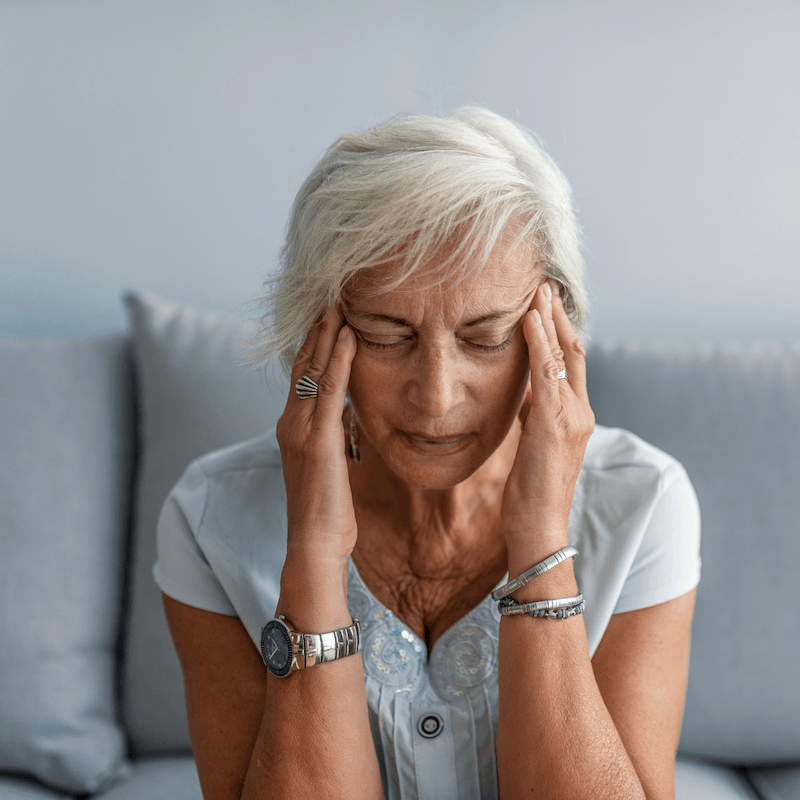
A migraine does not exclusively manifest as acute head pain; rather, a vestibular migraine predominantly impairs equilibrium, motion processing, and spatial orientation. At our ENT clinic, we investigate recurring dizzy spells to verify whether vestibular migraine or a distinct balance pathology is driving symptoms. Navigating targeted migraine treatment begins with recognizing subtle clinical signs and communicating them clearly to your specialist.
Understanding the Clinical Differences Between Vestibular and Regular Migraines
Although stemming from the same neurobiological disorder spectrum, vestibular migraine and typical migraine present with distinct primary complaints. Regular migraine attacks typically revolve around unilateral, throbbing head pain of moderate to severe intensity that increases with everyday motion. Patients frequently report concurrent symptoms including nausea, heightened light sensitivity, sound intolerance, and classical visual aura.
Clinically, vestibular migraine is characterized by acute vertigo, spatial disorientation, postural unsteadiness, and motion hypersensitivity. Although cephalalgia can develop, head pain is not a mandatory feature during every vestibular migraine attack. Flare-ups can feature an illusory sensation of internal or environmental spinning, head-movement-induced dizziness, and visual vertigo in crowded spaces.
Qualifying vestibular events standardly run a time course extending from five minutes to 72 hours. Presentations frequently shift from episode to episode, which can obscure the underlying connection to migraine disease.
What Mechanisms Drive Vestibular Migraine?
Medical science recognizes that no single underlying disorder functions as the sole cause of vestibular migraine. The disorder likely develops from overlapping neurochemical pathways handling both trigeminal pain and inner ear balance signals. A confirmed personal or genetic history of migraines and a lifetime of motion intolerance can predispose individuals to the condition.
Documented physiological triggers include:
- Inadequate sleep duration or irregular circadian rhythms
- Inconsistent meal timing, caloric restriction, or insufficient water intake
- Acute psychological stress or the physiological let-down phase following stress
- Menstrual or other hormonal changes
- Harsh glare, strobe lighting, or visually overwhelming public spaces
- Rapid vehicle motion, vestibular acceleration during transit, or digital screen scrolling
- Alcohol consumption, tyramine-rich foods, MSG, or individual dietary irritants
- Significant changes in barometric weather pressure or acute environmental overstimulation
Symptom Profiles: How Vestibular and Regular Migraines Present
Standard migraine attacks are conventionally diagnosed by cephalalgia, yet the clinical picture involves numerous non-pain symptoms. An individual may endure nausea, vomiting, transient visual aura, extreme fatigue, cognitive impairment, neck stiffness, and sensory hypersensitivity.
Vestibular migraine may include:
- Sensations of rotational spinning or non-spinning spatial disorientation
- Marked balance deficits, physical clumsiness, or postural instability
- Dizziness triggered or aggravated by rapid head turns or tilting
- Motion-induced nausea or severe motion sickness
- Visual-vestibular mismatch when navigating crowded shopping aisles, moving traffic, or patterned visual fields
- A sensation of rocking, tilting, floating, or being pulled
- Photophobia, sound intolerance, and pronounced optical hypersensitivity
- Paranasal or cranial pressure, tension sensations, or classic migraine-type headache
- Reversible aural pressure, sensations of blocked ears, or transient tinnitus
Identifying the specific temporal pattern, duration, and triggers helps clinicians distinguish vestibular migraine from other balance conditions. Any acute onset of dizziness accompanied by motor weakness, sensory numbness, dysarthria, diplopia, syncope, or profound ataxia requires emergency medical evaluation.
Experiencing Vestibular Symptoms and Migraine Headaches Simultaneously
Yes, they can. True rotational vertigo and classic migraine head pain can develop within the identical clinical attack. Dizziness might manifest as a premonitory symptom before head pain, peak while the headache is active, endure following pain resolution, or strike alone. Some people alternate between headache-dominant and balance-dominant attacks over months or years.
A vestibular attack does not require concurrent cephalalgia to have a direct neurovascular migraine origin. Maintaining a dedicated symptom journal helps track chronological correlations that are easily overlooked during clinical consultations. Track the exact duration of dizzy spells, headache traits, light and sound sensitivities, menstrual dates, sleep patterns, meals, suspected triggers, and pharmaceutical outcomes. This information can make an evaluation more precise.
Establishing a Vestibular Migraine Diagnosis: Testing and Criteria
There is no solitary laboratory blood test, radiographic imaging study, or vestibular exam that definitively diagnoses vestibular migraine. Clinical identification relies first on a thorough review of episode characteristics and a personal history of migraine with or without aura. International diagnostic criteria standardly require at least five moderate or severe vestibular episodes lasting between five minutes and 72 hours, with classic migraine symptoms during at least 50% of attacks.
Our clinical evaluation includes targeted neurological exams, oculomotor testing, middle-ear inspections, diagnostic audiometry, and specialized balance studies. Based on your presenting symptoms, clinical testing may involve diagnostic audiometry, Dix-Hallpike positional testing, vestibular function studies, or MRI imaging. These tests help identify or rule out conditions that can cause similar dizziness. Vestibular migraine is diagnosed solely when the symptom pattern satisfies consensus criteria and another etiology cannot better account for the condition.
Evidence-Based Treatments for Vestibular Migraine
Management is customized for each patient depending on attack frequency, degree of disability, headache status, underlying conditions, and medication safety profiles. Most individuals find the greatest relief through an integrated regimen combining daily preventive protocols with an acute rescue plan.
We partner with you to construct a targeted management plan that may involve:
- Maintaining consistent circadian sleep patterns, disciplined meal times, adequate hydration, and regular exercise
- Methodically identifying and eliminating confirmed individual triggers
- Utilizing structured stress-mitigation techniques, mindfulness programs, or behavioral therapies
- Prescribing targeted rescue medications for acute nausea, motion sickness, and related distress
- Limited use of vestibular suppressants during severe attacks
- Daily preventive medications such as beta-blockers, calcium channel blockers, topiramate, specific antidepressants, or novel migraine drugs
- Customized vestibular rehabilitation therapy to address persistent disequilibrium and visual motion intolerance
We prescribe vestibular suppressants conservatively, given that regular consumption causes sedation and delays the brain’s natural compensation mechanisms. You should always finalize medication decisions with your prescribing clinician instead of adopting treatment plans prescribed to others. Clinical stabilization often involves gradual pharmacological adjustments alongside diligent, long-term symptom logging.
Contact Us for a Comprehensive Vestibular Migraine Evaluation
Should recurrent dizziness, motion sensitivity, or unsteadiness interfere with your daily routine, book a clinical consultation with our team. The initial visit features an in-depth review of migraine history, health factors, and therapeutic aims, paired with diagnostic exams to rule out BPPV, Ménière’s disease, and competing vestibular conditions. Contact our ENT clinic today to schedule your vestibular migraine appointment.