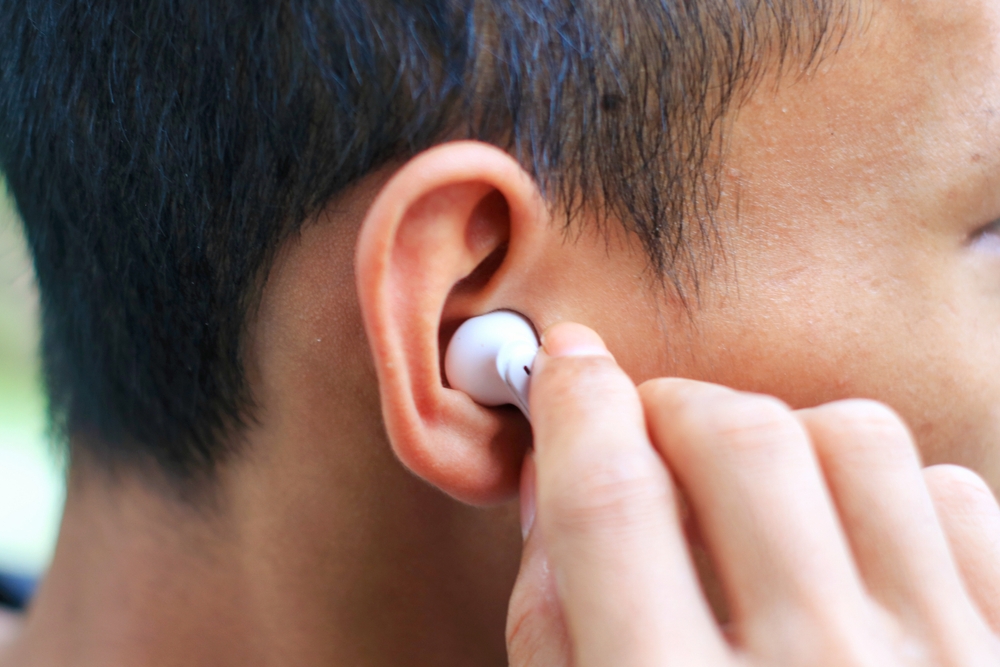
It is increasingly uncommon to observe a young adult in a public setting without an earbud in place. Though over-ear headphones are more bulky, the younger demographic still relies on them for environmental isolation. While acoustic enjoyment is universal across all ages, the youth population often utilizes music as a primary tool for time management. So, can headphones cause hearing loss since they are so close to our ears? It’s not the device itself, but how we use it.
Too Much of a Good Thing
Listening to music can be relaxing, soothe our souls, or wind us up. This subjective experience is dictated by the specific characteristics of the chosen track. Personal audio tech provides a convenient way to consume media without infringing on the silence of those nearby. This is a widely appreciated social habit that helps maintain a respectful atmosphere in shared transport settings.
The essential inquiry remains: at what decibel level and timeframe does listening become dangerous? It is well-established that loud noise, regardless of the source, can compromise your long-term hearing sensitivity. When you listen for too long a time and at a very loud volume, you can irreparably damage your hearing. Because auditory decline is often a slow, cumulative process, the damage is frequently advanced before symptoms are noticed.
Identifying the Critical Risks of Personal Audio
High volume stands as the most significant threat to the preservation of hearing sensitivity. Despite this, the cumulative hours of exposure are just as dangerous as a single loud blast.
- The National Institutes of Health (NIH) recommends listening at below 70 decibels. Even after long exposure, you won’t have any hearing loss.
- The rate of auditory trauma increases exponentially as the decibel level rises.
- Implement the 60/60 safety protocol by capping volume at 60% and taking a break every 60 minutes.
- Ensuring long-term hearing health requires a proactive reduction in volume and strict limits on listening time.
Indicators That You May Need a Hearing Evaluation
Common indicators such as “ringing” in the ears and a recurring inability to understand speech in loud rooms warrant an immediate specialist consultation.
Reach out to our care team immediately if you are concerned about your current hearing sensitivity.