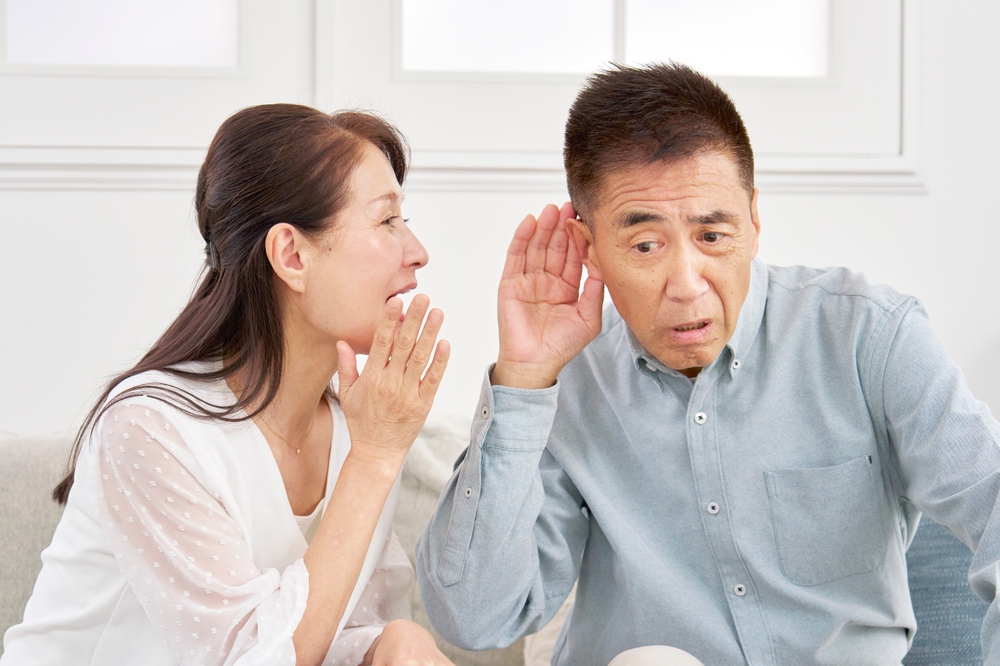
Prevalent myths regarding hearing loss frequently act as a barrier to necessary audiological treatment. And with hearing loss, getting the right care at the right time is critical. Believing common hearing loss myths can delay diagnosis, impact communication, and reduce your overall quality of life.
If you have concerns about your hearing, knowing the truth (and the myths!) can help you make informed decisions about your health and proceed with greater confidence. We will now examine seven prevalent auditory myths and the clinical evidence that refutes them.
1. Myth: Only Older Adults Have Hearing Loss
Though presbycusis is a standard clinical finding, hearing loss impacts every biological demographic. Hearing impairment in younger patients is frequently caused by environmental noise, genetic predisposition, or systemic illness.
Assuming hearing loss is only an “aging issue” can prevent people from recognizing early symptoms and seeking appropriate care.
Myth: Hearing Perception Rules Out Impairment
The presence of hearing loss does not always manifest as total profound deafness. In fact, many people with mild or moderate hearing loss can still hear sounds, but they struggle to understand speech clearly. A broad range of auditory dysfunctions exists between asymptomatic hearing and complete deafness.
Early symptoms frequently manifest as “cocktail party effect” struggles or a need for constant clarification from speakers. Such symptoms are early clinical indicators that the auditory processing system is under stress.
Myth: Auditory Decline is a Low-Stakes Issue
Untreated hearing loss can affect more than just communication. Research has linked unmanaged hearing loss to social withdrawal, increased stress, cognitive strain, and even a higher risk of depression.
Managing your hearing health is a critical step in preserving your holistic quality of life.
4. Myth: Hearing Aids Make Your Hearing Worse
Some people believe that wearing hearing aids will cause their hearing to deteriorate more quickly, but that is not true.
Properly programmed hearing aids pose zero risk of physical damage to the auditory system. They provide customized amplification that fills the exact deficits revealed during your professional assessment. Utilizing amplification prevents auditory deprivation, keeping the brain’s speech-processing centers active.
Myth Five: The Aesthetic Stigma Fallacy
The landscape of audiological hardware has undergone a radical digital transformation. Modern hardware has reached a peak of efficiency, offering discrete aesthetics with high-fidelity sound. Patients can now choose custom-molded options that sit deep within the ear canal for total discretion.
These devices provide high-tech solutions like automatic environment sensing and hands-free calling functionality.
Myth Six: The Fallacy of “Wait and See” for Mild Loss
Don’t underestimate “slight” hearing changes; they still disrupt the natural flow of information to the brain. Early treatment helps prevent listening fatigue and reduces the strain placed on the brain during conversations.
Patients who pursue early help experience a much smoother transition to using hearing technology.
Why OTC Devices Often Fall Short of Clinical Needs
Store-bought devices provide “blanket” amplification rather than the targeted help your ears likely need. A professional hearing evaluation ensures that treatment is tailored to your individual needs.
Custom-fit solutions provide a level of acoustic fidelity that generic devices simply cannot match.
Your Path to Clarity: Rejecting Common Hearing Fallacies
Auditory shifts can be daunting, leading many to avoid the clinic through a “denial” response. Relying on misinformation ensures that your auditory challenges will become more difficult to manage. You’ll find that a hearing screening is a comfortable and highly enlightening clinical experience.
Taking the first step toward a hearing test is the best way to safeguard your long-term communication. Intervening early is a proven strategy for maintaining a high standard of living through better hearing.
If you are ready for a professional assessment, our specialists are standing by to assist. Our team is available for appointments: Call us today to protect your hearing.